



The old adage is if it isn’t broke, then why bother trying to fix it? That’s exactly what F1 tried to do in 2016 with a new qualifying format.
The existing knockout format was introduced in 2006, replacing the previous system that combined lap times from two previous sessions to determine the grid positions.
It split the hour up into three sessions: Q1, Q2, and Q3, eliminating the five slowest drivers from each of the first sessions before a top 10 shootout decides the grid order.
In 2016, the teams wanted to shake things up a bit by introducing a new system that adds more jeopardy and increases track time. Instead, the experiment spectacularly backfired for one simple reason.
Sebastian Vettel predicted F1’s spectacular qualifying fail
All the teams turned up for the first round in Australia with the first qualifying hour featuring the same system of elimination, but with an added time limit.
This meant that drivers in Q1 all had just seven minutes to complete a timed lap and at the end of those seven minutes, the slowest driver would be eliminated. Following that, the next slowest driver would get eliminated every 90 seconds until the chequered flag fell.
This is where the logic of the system was flawed, as drivers and teams struggled to keep up with the quick elimination turnaround. Each session would end with no cars on track, rather than those looking to improve going for one last banker attempt.
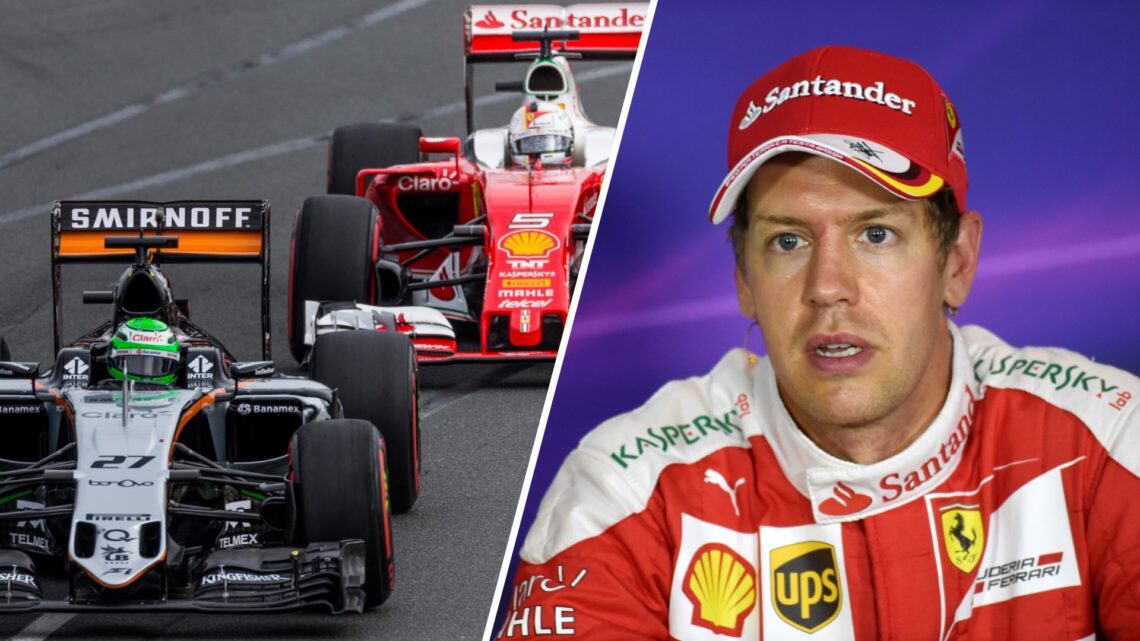
It turned qualifying into a guaranteed anticlimax and led to a silent track when there could’ve been cars on track for fans in the stands. Sebastian Vettel was not pleased with the whole scenario, telling Sky Sports F1 after the session that he predicted the farce.
“I don’t understand why all the people are so surprised now. There were plenty of engineers and other brains who, basically, had sort of predicted what would happen. It’s definitely the wrong way to go,” said Vettel.
READ MORE: How Damon Hill bowed out at Williams ‘the perfect way’ after being dropped for 1997
F1 scraps qualifying experiment after heavy criticism
Several others weighed in on the system, with Damon Hill noting the irony for 2016 Australian GP polesitter Lewis Hamilton: “The crescendo was the guy getting out of the car. Hamilton could have waved his own chequered flag for pole with four minutes still to go.”
Then-Red Bull team principal Christian Horner felt F1 was looking to add jeopardy in the wrong places: “We’re tickling with the wrong areas. It’s like trying to introduce a second ball on the pitch in football. The problems aren’t in the format of qualifying or what a grand prix is. 2017 represents a great opportunity with different regs and that’s the opportunity that should be used for closer racing.”
Toto Wolff branded it “rubbish” and vowed that teams would look at backtracking on the system, after the disastrous scenario which prevented cars from going out on track.
Remarkably it would remain in place for another two rounds before finally getting scrapped at the Russian Grand Prix, when F1 reverted to the old system that it still uses to this day.