



In the modern era of Formula 1, we’re far too used to seeing a team build a superior car to the rest of the grid and dominate the ensuing season, with genuine title fights coming far and few between.
However, that hasn’t always been the case, and in terms of the 1982 championship, the season ended with 11 different winners from the 16 Grands Prix.
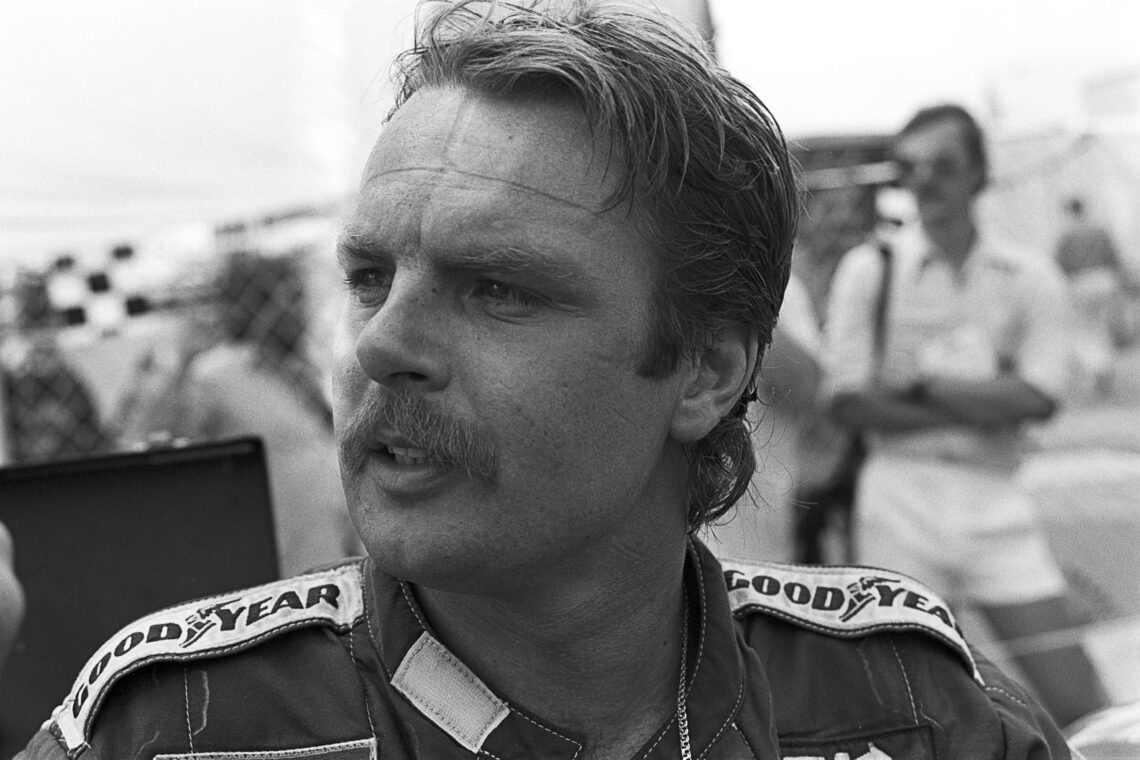
No driver won more than two races across the span of the season, with the eventual champion, Keke Rosberg, scoring just one victory at the Swiss Grand Prix in, surprisingly, Dijon, France.
| Position | Driver | Points |
| 1 | Keke Rosberg | 44 |
| 2 | Didier Pironi | 39 |
| 3 | John Watson | 39 |
| 4 | Alain Prost | 34 |
| 5 | Niki Lauda | 30 |
The win also marked the Finn’s maiden victory in F1, the first of five chequered flags he would go on to take across his nine-season stint in the sport.
READ MORE: When an F1 driver took his one and only victory by spinning as he crossed the line
Williams’ reliability was the deciding factor in Keke Rosberg’s title triumph
The reason for Rosberg going on to take the 1982 title is down to his Williams F1 car proving to be more reliable than his championship rivals.
Quoted by Matt Bishop, via Motorsport Magazine, as ‘stupendously brave’ and ‘very shrewd’, Rosberg retired from only three Grands Prix in 1982, in contrast to his main title rivals, John Watson and Alain Prost, who retired from five and seven Grands Prix, respectively.
It was Williams’ second drivers’ championship, following Alan Jones’ 1980 triumph and cemented them as a powerhouse in F1 at the time, with the British constructor winning at least one of the two championships up for grabs in the years prior.
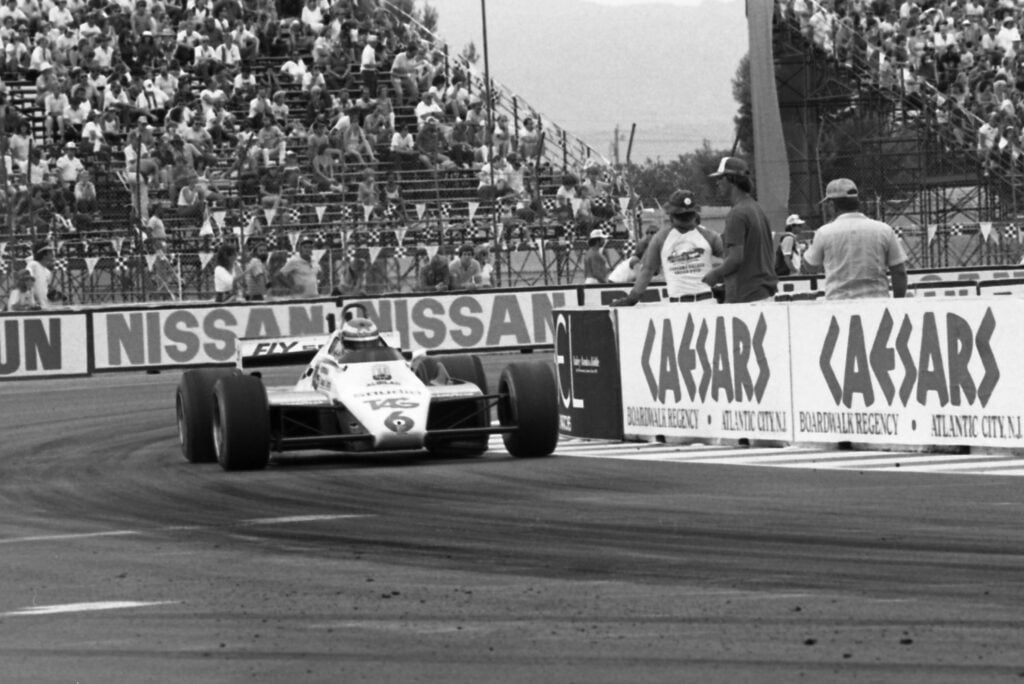
The season was also marred by a number of tragic deaths that occurred during the season, which led to the sport’s governing body at the time, the FISA, to ban the ‘ground effect’ aerodynamic concept from the beginning of the 1983 season.
READ MORE: How an F1 innovation that is still in use today ‘cost’ Williams the 1991 world championship
Tragic events of the 1982 season led to massive regulation changes
Gilles Villeneuve died during the final qualifying session for the Belgian Grand Prix in Zolder, with Riccardo Paletti also losing his life during the opening stages of the Canadian Grand Prix three rounds later.
Rosberg’s main title rival and championship leader for the majority of the season, Didier Pironi, was forced to quit his career in F1 after fracturing both of his legs at the German Grand Prix. Despite missing the final five races, the Frenchman still finished second in the standings, just five points behind Rosberg.
According to Nigel Roebuck on page 217 in his 1999 book, Memorable Moments from Fifty Years of Formula 1, a circuit inspector during the 1982 season stated that he ‘hated every second of this season’ due to the tragic circumstances.
“There’s something very wrong when the chequered flag comes down,” the inspector continued, “and all you feel is relief that another race weekend is out of the way without someone getting killed.”