

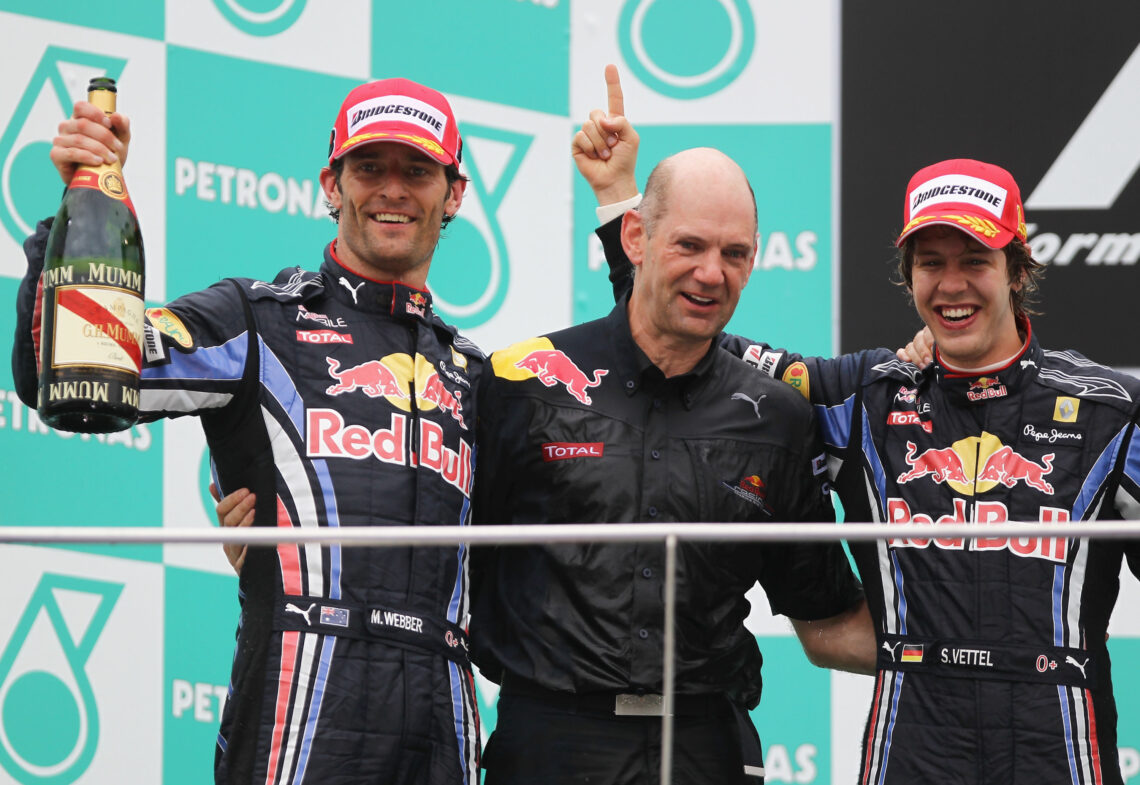

The battle between Mark Webber and Sebastian Vettel at Red Bull was one of the highlights of the V8 era, as their experienced driver was pitted against the upcoming hotshot.
Vettel and Webber already had a previous history before they were paired in 2009, but it went to a new level between them during the 2010 title battle.
After colliding on track at the Turkish Grand Prix, Vettel had lost crucial ground in the title battle, while Webber’s consistent points finishing and podiums enabled him to take the lead of the championship at the Japanese GP.
The Australian was 14 points ahead of Fernando Alonso, but that was about to be cut dramatically with what happened at the Korean GP.
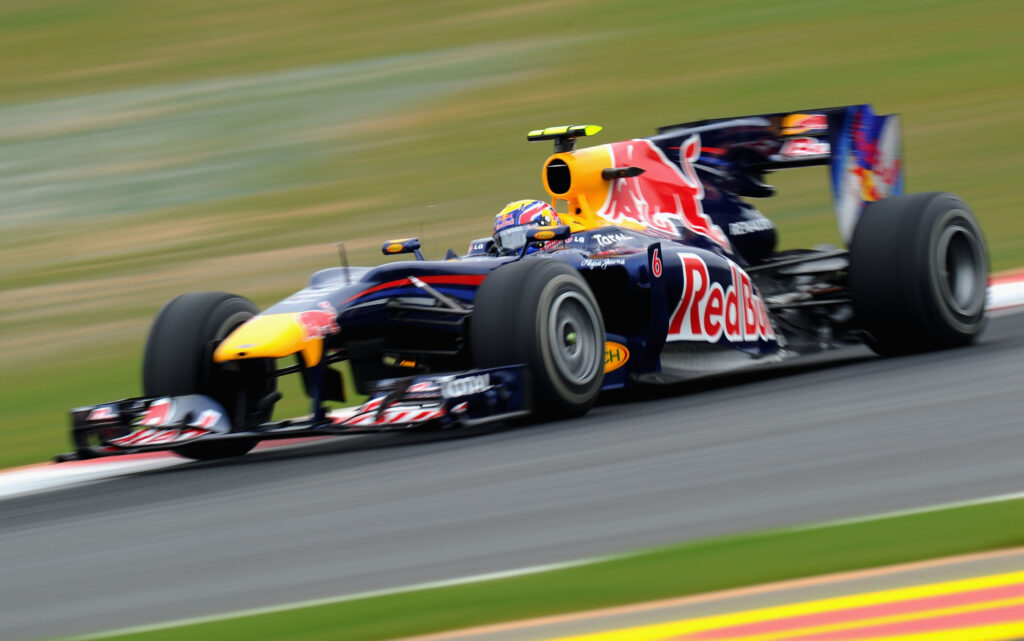
F1 visits Korea for the first time in 2010
The Korean GP was a new addition to the calendar and was situated near a fishing harbour in Yeongham, and was one of the first major developments in the area.
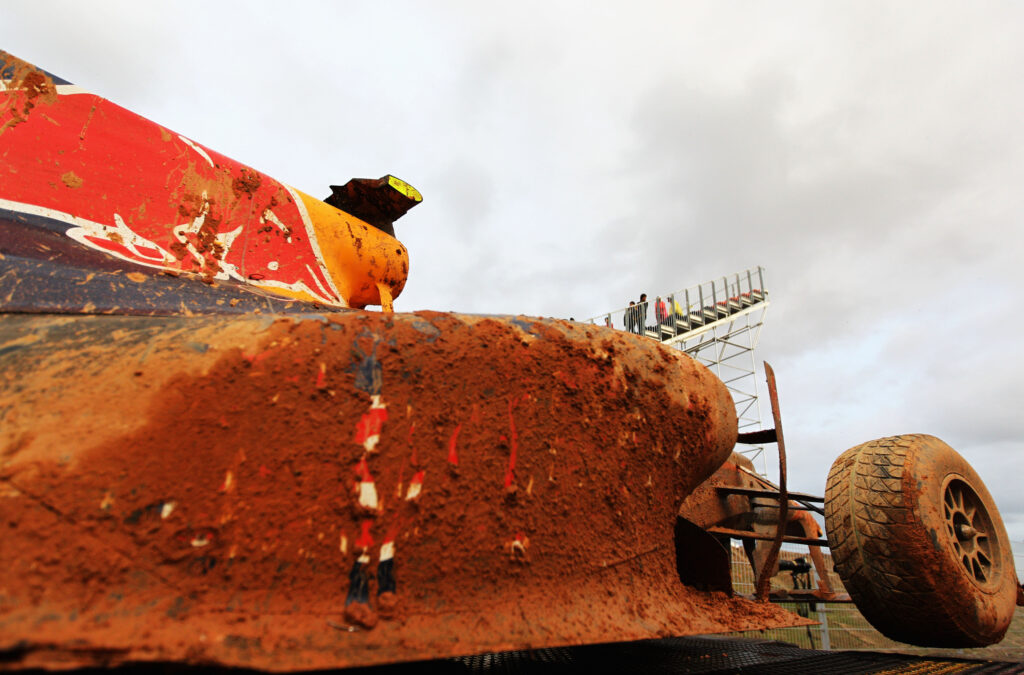
The track had only recently been completed after construction had begun in 2007, which meant there was a lot of dust in the area.
Red Bull were competitive immediately with Vettel and Webber qualifying one-two in the race respectively, but it would turn out to be a wet race on the Sunday.
Coupled with the dust and poor visibility with the fog dropping in around the track, it looked more like a rally stage as opposed to a Grand Prix circuit.
Adrian Newey recalls when rivalry between Sebastian Vettel and Mark Webber ‘boiled over’
The race got underway with the two Red Bulls pushing each other, but it soon became a contest between the pair as Vettel pulled a 2.8-second gap on Webber.
Writing in his book, How to Build a Car, Newey believes Webber’s sheer determination in trying to catch Vettel caused him to overdrive the car, which resulted in the inevitable as the Australian crashed just a couple of laps into the race.
“The track in Korea was new, but being of the formulaic variety was nothing you could get terribly excited about. We were very quick and qualified first and second,” wrote Newey.
“The race itself was a wet start. It kept being delayed because of how hard it was raining. It eventually got underway under the safety car and when that peeled in, Sebastian started pulling away from Mark, who, in turn, was leaving the rest of the field behind.
“To me, this is where Mark’s intense rivalry boiled over; he was determined to try and stay with Sebastian and beat him in the wet that he overdrove the car, lost control and spun, hit the barrier and that was that for him – in fact he was lucky not to get hurt when Rosberg was unable to avoid him and slammed into the side.”
| Pos | Driver | Points |
| 1 | Fernando Alonso | 231 |
| 2 | Mark Webber | 220 |
| 3 | Lewis Hamilton | 210 |
| 4 | Sebastian Vettel | 206 |
Things would get worse for Red Bull when Vettel’s engine expired while he was leading the race, handing the victory and crucially the championship lead over to Fernando Alonso.
“It was a low point. Fernando went on to win and now had an 11-point lead over Mark, with Sebastian trailing in fourth, 25 points behind. The ifs and buts of motor racing: If Mark hadn’t crashed he would have a 21-point lead, if Seb’s engine hadn’t blown he would have a seven-point lead,” explained Newey.
What happened to the Korean Grand Prix circuit?
The Korea International Circuit had initially signed a deal to host a race up until the 2016 season, with plans to redevelop the area around the track.
It was effectively a part street circuit and part permanent facility, with the idea of turning the whole area into a sprawling metropolis and financial sector for the Yeongham area.
The 2010 edition was one of only four races that were held in Korea before a final one in 2013, with the track never to be seen again on the F1 calendar.